Home>blogs>Interoperability Is Not an IT Problem: It Is a Competitive Strategy for Medical Device Companies
Interoperability Is Not an IT Problem: It Is a Competitive Strategy for Medical Device Companies
The Market Impact of Interoperability
Device companies often view interoperability as a system requirement. In practice, it determines market position. Provider networks prefer devices that send clean records into clinical workflows. Payers prefer vendors that supply clear proof of adherence.
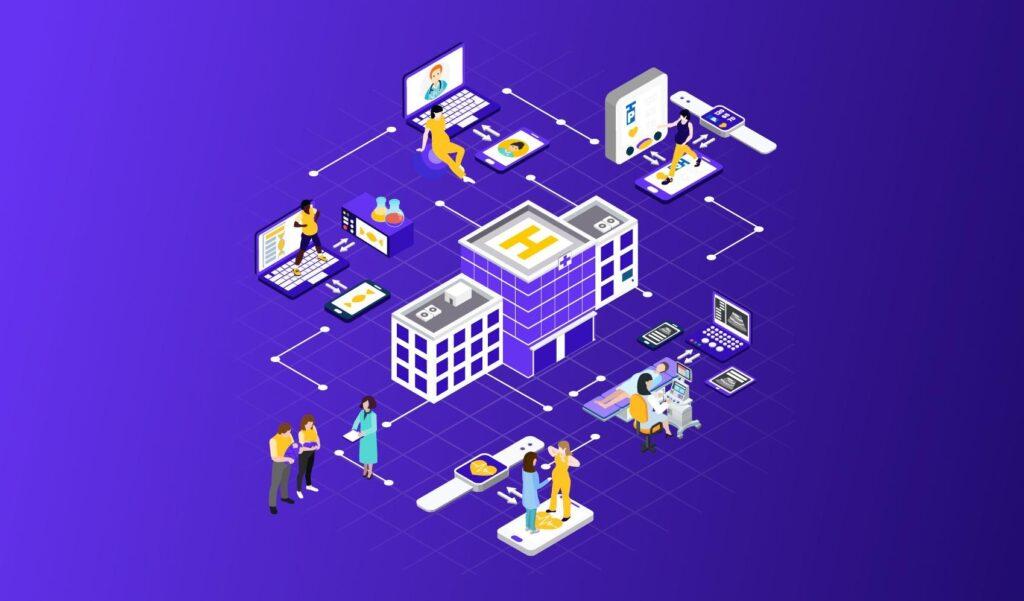
What the Middle Layer Actually Does
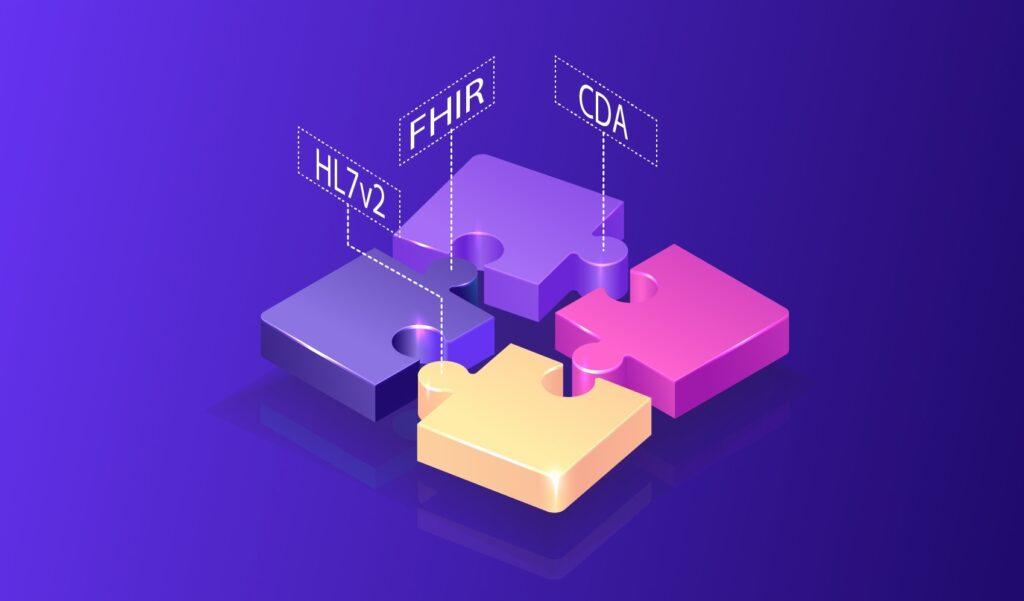
The middle layer aligns identifiers from the device cloud, EHR and billing system. It standardizes observation values into common formats. It resolves differences in naming across vendors. It also validates completeness of each record.
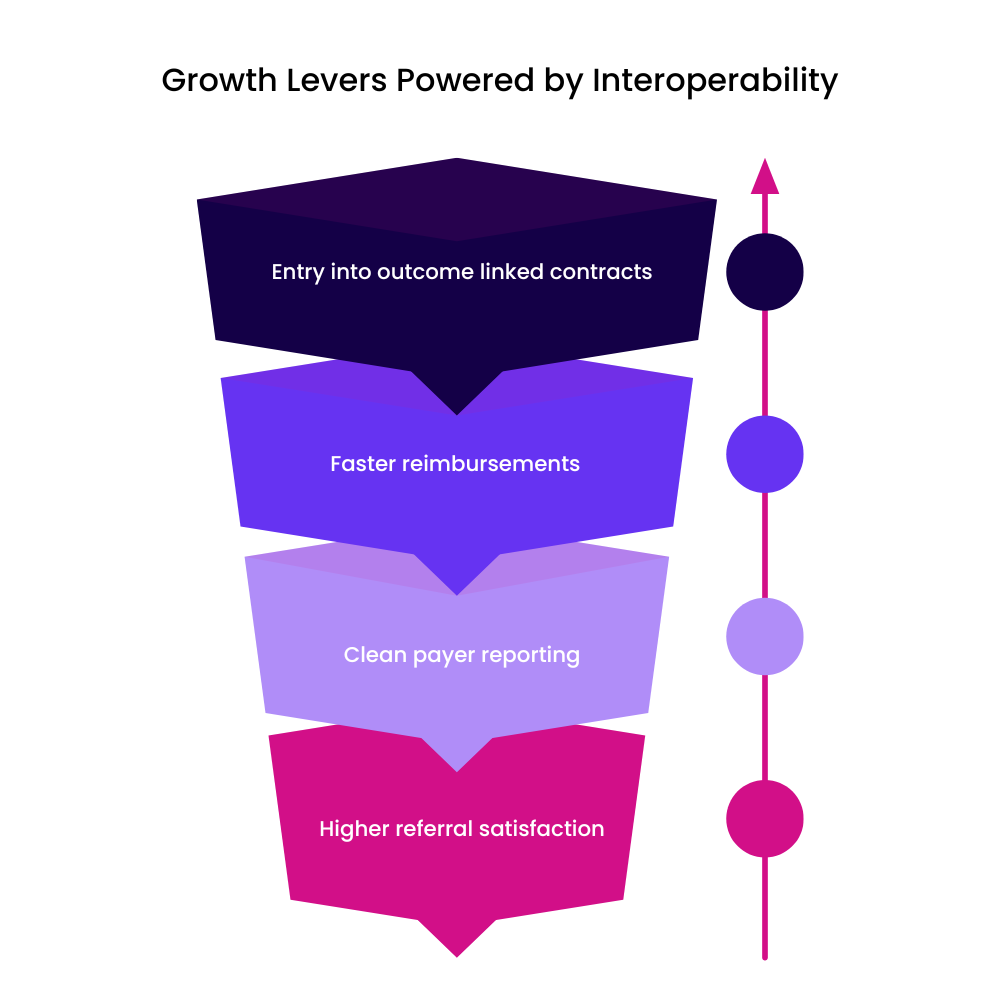
Where Interoperability Impacts Growth
Interoperability removes friction from the referral path.
Reports reach referring physicians without delay.
Authorizations move without correction.
Adherence documentation matches payer templates.
Why Providers Choose Integrated Devices
If a device requires PDF downloads, manual entry or reconciliation, staff see it as a burden. Competing devices with seamless data exchange reduce load. This improves referral volume and long term retention.
Why Payers Respond to Clean Data
Payers evaluate risk and cost based on adherence. A device company with structured data can prove usage patterns with clarity. This positions the company for value based agreements where payment ties to outcomes and continuity.
Interoperability as a Strategic Investment
A company that solves data flow gains access to referral networks, payer partnerships and new contract models. This turns interoperability into a competitive advantage.
AI integration with FHIR, API-based prior authorization, API-driven care coordination, API-first healthtech platforms, API-powered value-based care, Apple Health patient access, Argonaut Project FHIR, cloud-native health platforms, CMS interoperability mandates, CTO healthcare architecture, Da Vinci Project use cases, digital transformation in hospitals USA, EHR integration using FHIR, FHIR APIs in US healthcare, FHIR-based analytics dashboards, GPT for EHR unstructured notes, healthcare API adoption ROI, healthcare API governance models, healthcare API security OAuth2, healthcare CIO tech strategy, healthcare data interoperability, healthcare microservices architecture, HIPAA-compliant APIs, HL7 FHIR implementation, LLMs for clinical data, MyChart FHIR API, ONC FHIR API rules, payer-provider data exchange, real-time clinical data exchange, SMART on FHIR adoption, structured API data for population health
People are becoming more and more aware of their rights and privacy as a result of the tremendous shift to digitizing personal information. Healthcare organizations