Home>blogs>Why AI Fails in Connected Device Care and How Unified Data Layers Unlock Predictive Intelligence
Why AI Fails in Connected Device Care and How Unified Data Layers Unlock Predictive Intelligence
Why AI Struggles With Fragmented Data
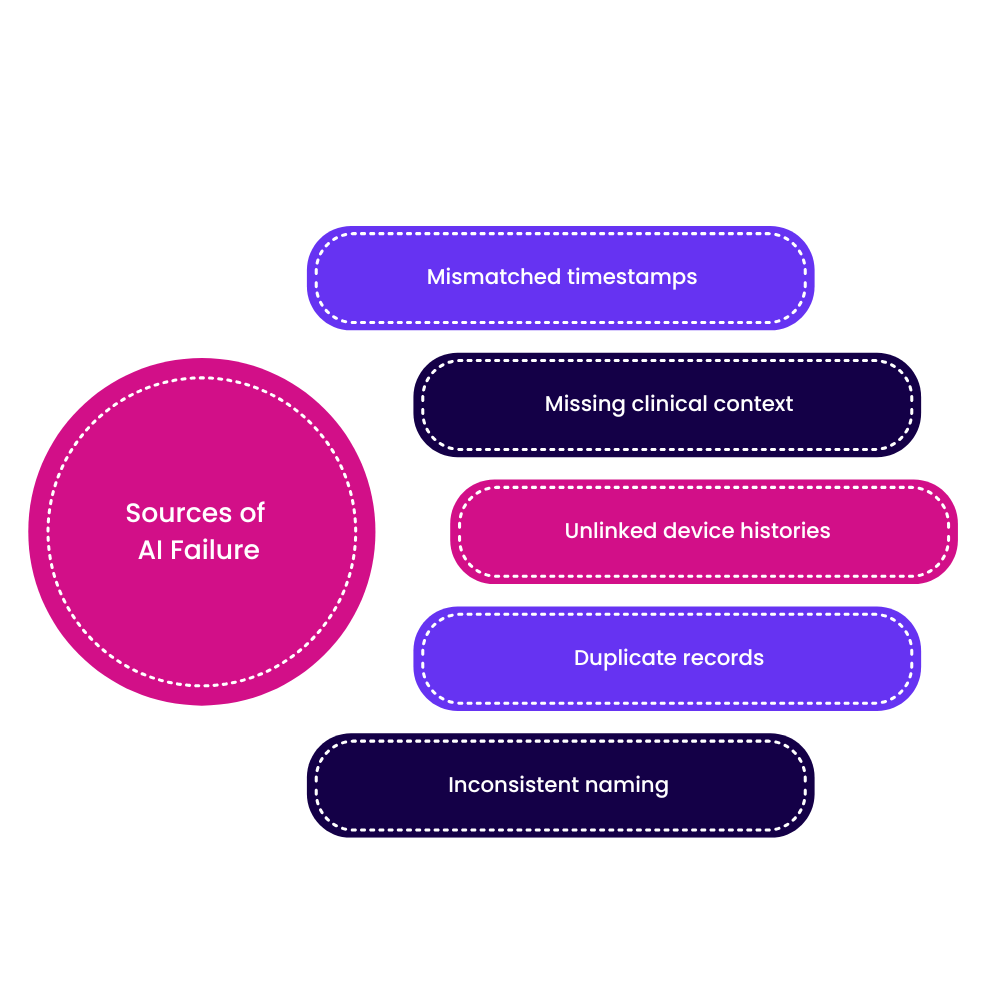
AI models need continuity. When device data, EHR notes and claims records use different identifiers, the model sees broken stories. This produces weak predictions.
The Missing Clinical Context
Telemetry alone does not show comorbidities or medication changes. AI misreads usage drops because it does not see the cause behind the pattern. The model flags the event but cannot link it to clinical context.
Where Interoperability Impacts Growth
Interoperability removes friction from the referral path.
Reports reach referring physicians without delay.
Authorizations move without correction.
Adherence documentation matches payer templates.
Broken Timelines in Raw Device Data
Patients may switch devices or move between sites. Without a unified layer, the model treats each segment as a new patient. This removes visibility into long term patterns.
The Role of the Unified Data Layer
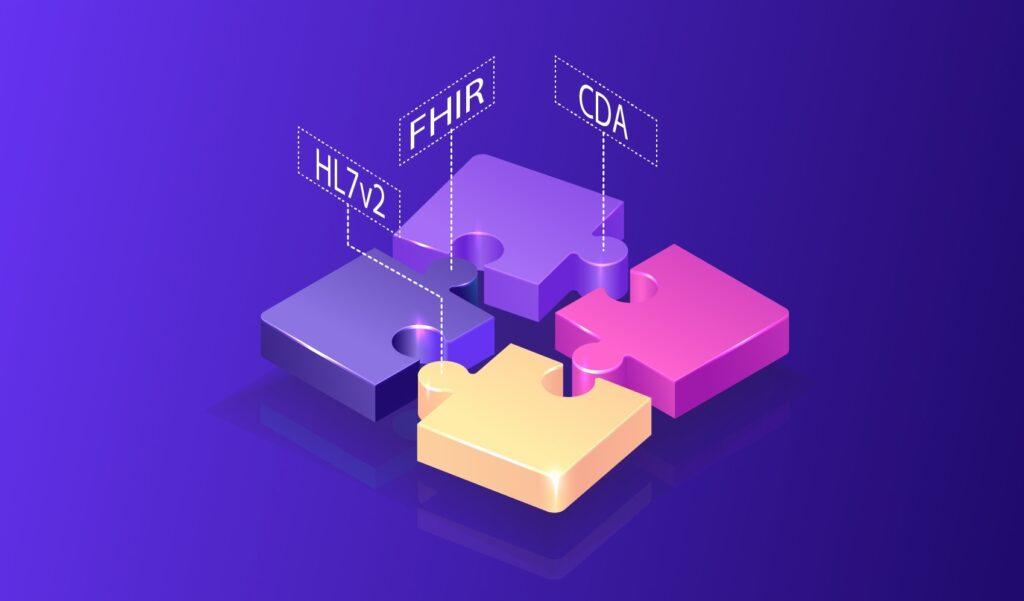
The unified layer aligns timestamps, cleans duplicates and standardizes terminology. It links clinical history with device history. It ensures that the model receives one continuous record.
The Resulting Predictive Insight
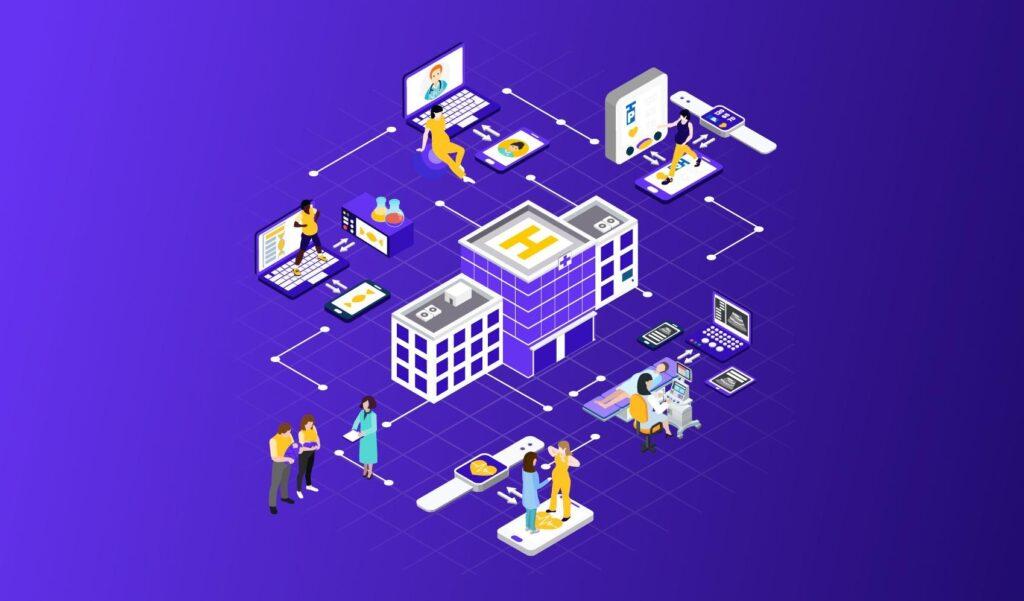
Once aligned, AI can detect early non adherence, device failure risk, therapy interruption or claim risk. Care teams receive alerts tied to real context. Operations teams receive insight into patterns that shape throughput and outcomes.
AI integration with FHIR, API-based prior authorization, API-driven care coordination, API-first healthtech platforms, API-powered value-based care, Apple Health patient access, Argonaut Project FHIR, cloud-native health platforms, CMS interoperability mandates, CTO healthcare architecture, Da Vinci Project use cases, digital transformation in hospitals USA, EHR integration using FHIR, FHIR APIs in US healthcare, FHIR-based analytics dashboards, GPT for EHR unstructured notes, healthcare API adoption ROI, healthcare API governance models, healthcare API security OAuth2, healthcare CIO tech strategy, healthcare data interoperability, healthcare microservices architecture, HIPAA-compliant APIs, HL7 FHIR implementation, LLMs for clinical data, MyChart FHIR API, ONC FHIR API rules, payer-provider data exchange, real-time clinical data exchange, SMART on FHIR adoption, structured API data for population health
People are becoming more and more aware of their rights and privacy as a result of the tremendous shift to digitizing personal information. Healthcare organizations